

7 minute read
When BBC presenter Anne Robinson revealed she was swapping the Cotswolds for city life, she challenged the traditional retirement dream of country cottages, coastal towns and a slower pace of life. For many people, the next chapter now looks rather different.
More people are considering a move in later life, according to a study by housebuilder David Wilson. A survey of more than 1,000 UK homeowners aged 45 and over found that 38% are considering relocating elsewhere in the UK for retirement. When asked what mattered most, respondents prioritised an affordable cost of living, being close to family, access to green spaces and convenient healthcare.
You don’t necessarily have to leave city life behind to find them. From York’s walkable centre to Edinburgh’s cultural scene, some of Britain’s best known cities offer a compelling mix of activity, connection and quality of life for your later years.
At a glance
- More retirees are considering a move in later life, with affordability, family, green space and healthcare among the biggest priorities.
- City retirement can put culture, transport, healthcare and everyday amenities within easier reach.
- We explore seven locations and hear from local property experts about what retirees are looking for.
York
Best for: Staying active without relying on the car
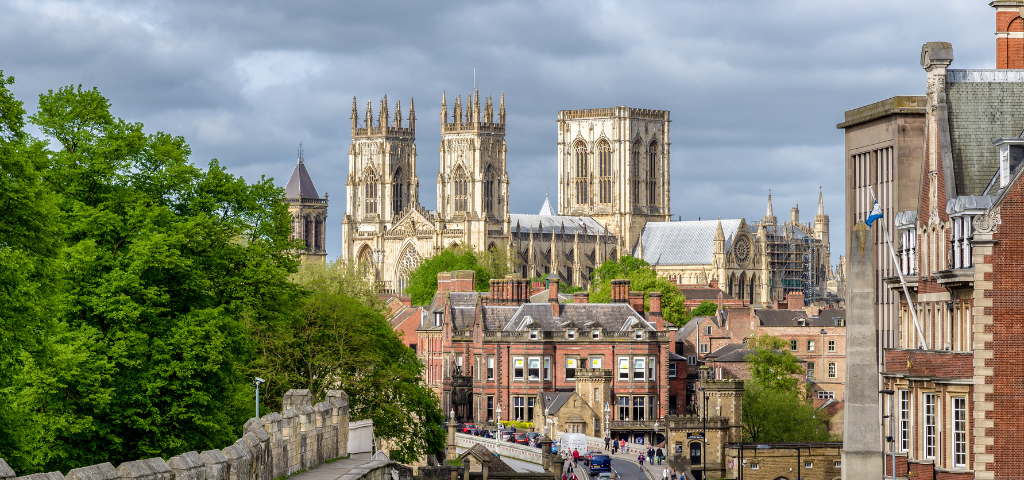
Retirement doesn’t have to mean slowing down. In York, it can mean replacing the morning commute with a riverside walk, meeting friends for lunch in the city centre or spending an afternoon exploring independent shops and museums, all without getting behind the wheel.
One of York’s biggest advantages is its walkability. The city centre is compact, healthcare and everyday amenities are close by, and excellent rail connections make it easy to visit family across the country. Combined with its rich history and strong sense of community, it’s easy to see why York appeals to people looking for an active retirement.
Popular areas in and around York include Bootham and Fulford, as well as the nearby village of Bishopthorpe, offering quieter surroundings without leaving York’s attractions far behind.
What does an estate agent think?
Jade Smith, Sales Manager at Naish Estate Agents, says many buyers are looking for a lifestyle that’s easier to enjoy.
“We’re seeing people relocate from Scotland, the South East, Kent, Essex, Manchester and Leeds because they want to spend less time maintaining a large home and more time making the most of where they live. York offers that balance, with everything from cafés and green spaces to healthcare and transport close at hand.”
Exeter
Best for: Having the great outdoors on your doorstep
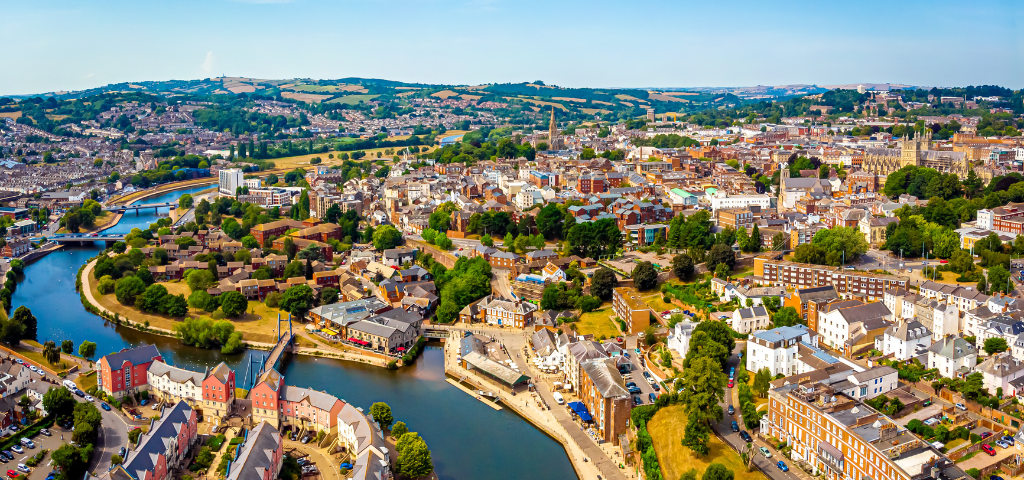
If you’re not ready to give up the buzz of a city but also want nature on your doorstep, Exeter offers a compelling mix of both. The cathedral city is large enough to provide excellent shopping, restaurants, healthcare and cultural attractions, yet small enough to feel manageable and easy to navigate.
For retirees, that means the freedom to enjoy an active lifestyle without travelling far. Whether it’s a stroll along the historic Quayside, lunch in the city centre or a day trip to the Devon coast, there are plenty of ways to make the most of the outdoors without giving up the conveniences of city life.
Popular areas in and around Exeter include St Leonard’s and Pennsylvania, as well as the nearby estuary town of Topsham, giving downsizers a choice of different settings and property styles.
What does an estate agent think?
Hannah Moyes, client relationship manager at Wilkinson Grant & Co, pointed out that many buyers are looking beyond the property itself.
“For retirees, it’s not just about moving to a smaller home. They’re looking for a place where they can enjoy retirement, spend more time outdoors, stay connected to the local community and still have everything they need within easy reach.”

Bath
Best for: Filling retirement with culture
Famed for its Georgian architecture and Roman heritage, Bath has long attracted retirees who want a more manageable city without sacrificing culture or convenience. From the Theatre Royal and Holburne Museum to independent shops, restaurants and green spaces, there is plenty to fill your time, while London is just over an hour away by train.
Areas to consider include Widcombe, Larkhall and Bear Flat, which combine established communities and independent shops with convenient access to the city centre.
What does an estate agent think?
John Baker, advisor at Justin Hunter, has worked in Bath’s property market for 30 years. He said: “Retirees have been choosing Bath for as long as I’ve been in the industry. While buyers come from across the UK, London and the home counties are the biggest source, and many are looking to downsize into apartments that are easier to maintain without giving up city life.”
Chester
Best for: Downsizing without giving up convenience
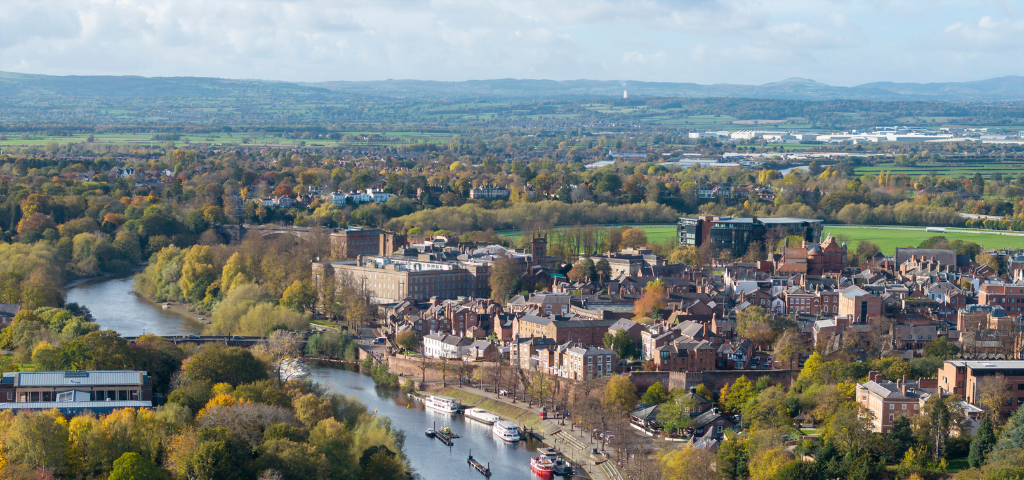
For many retirees, the biggest challenge is finding somewhere that’s easy to get around while still offering plenty to do. Chester strikes that balance well. Its historic city centre is compact and largely pedestrianised, making it simple to reach shops, cafés and restaurants on foot, while the River Dee and the city’s famous Roman walls provide scenic walking routes.
The city also offers excellent transport links to Liverpool, Manchester and North Wales, making it a practical base for retirees who want to remain well connected.
Popular areas to consider include Hoole, with its independent shops and cafés, riverside Handbridge and Boughton, all within relatively easy reach of the city centre.
What does an estate agent think?
Chris Beswick, sales negotiator at Thornley Groves, says downsizers have plenty of property options.
“Chester is a great place to downsize because there’s a good choice of bungalows and apartments that suit older buyers. We often see people who’ve lived here for years choosing to stay in Chester when they retire because they value the community and convenience the city offers.”
Norwich
Best for: Choice and value in retirement
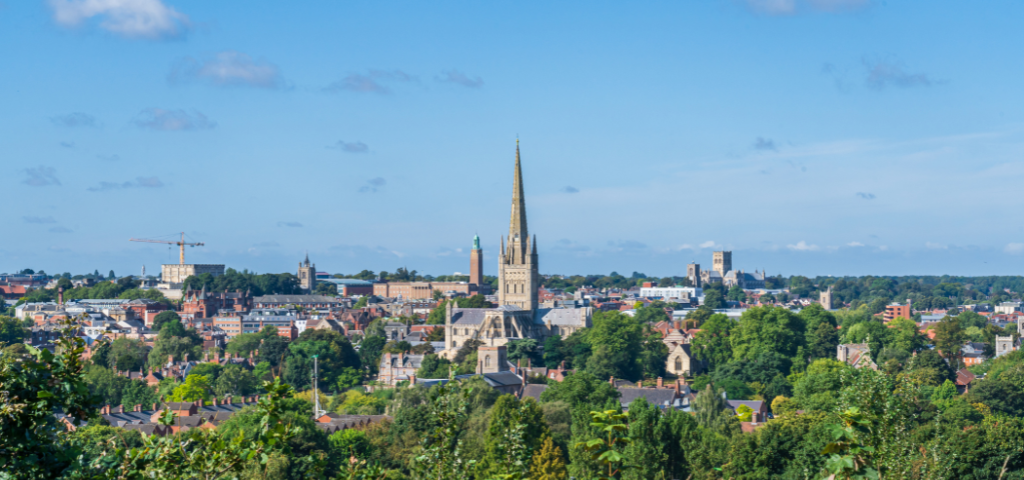
Norwich was named the best place to live in the UK in 2026, but it also deserves a place on any retirement shortlist. The city combines a vibrant cultural scene with a slower pace of life, offering theatres, independent shops, restaurants and green spaces, while remaining compact enough to get around easily. Norfolk Broads, miles of coastline and more affordable property than many southern cities, make it an attractive option for anyone considering city life in retirement.
Popular areas in and around Norwich include Eaton, Thorpe St Andrew and Hellesdon, offering a mix of established communities, green spaces and convenient access to the city.
What does an estate agent think?
Emma Rose, property specialist at Sowerbys, says: “The biggest attraction is choice. Whether someone wants city living, a village community or somewhere more rural, Norwich offers all three. We’re seeing retirees move here from across the UK because they can find a home and lifestyle that suits them.”
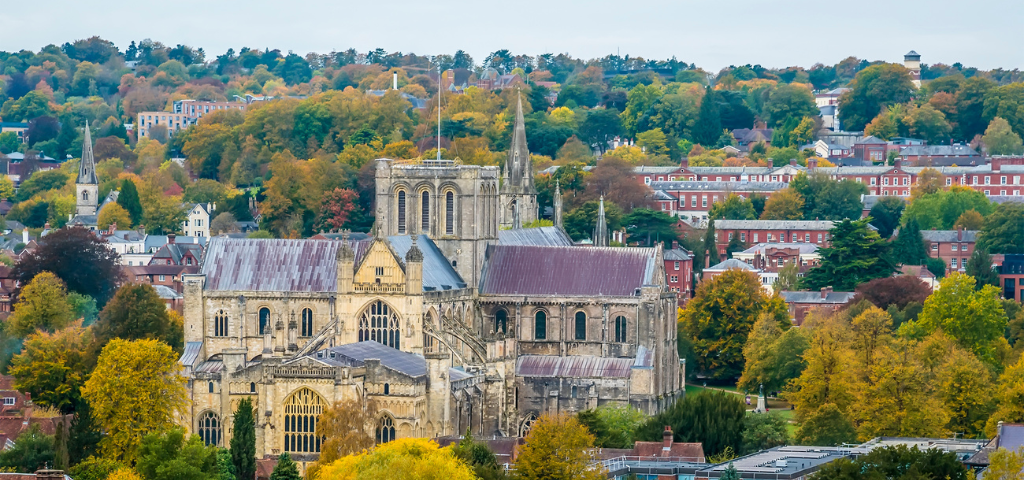
Winchester
Best for: Combining city life with the countryside
Winchester proves that retirement doesn’t have to mean choosing between city life and peace and quiet. Its compact centre is easy to explore on foot, with independent shops, cafés, markets and cultural attractions all within easy reach. Excellent rail links to London also make it simple to stay connected with family and friends. Winchester also benefits from strong healthcare provision, including the Royal Hampshire County Hospital, while the surrounding South Downs National Park opens up miles of countryside for walking and days outdoors.
Residential areas to consider include St Cross, Fulflood and Twyford, offering leafy surroundings within reach of Winchester’s shops and amenities.
What does an estate agent think?
Josh Green, senior branch manager at Winchester Morris Dibben Sales and Lettings, says larger properties remain attractive to people moving in retirement.
“We’re seeing retirees choose Winchester because it offers plenty of space without losing the convenience of city living. Many buyers are looking for larger houses or bungalows with gardens, while still being close to shops, healthcare and everything the city has to offer. It’s a fantastic place to retire because there’s always something going on and a real sense of community.”

Edinburgh
Best for: Big city culture on a retirement budget
A recent study named Edinburgh the UK’s most affordable city for retirees, taking into account factors such as property prices, living costs and access to amenities. That means retirees could enjoy one of Britain’s most vibrant cities while making their retirement income stretch further. From world famous festivals and galleries to the Royal Botanic Garden and Arthur’s Seat, there’s no shortage of ways to fill your days. Its café scene and distinctive neighbourhoods offer plenty of opportunities to stay socially connected too.
Areas to consider include Stockbridge, with its independent shops and village feel, Morningside, known for its local amenities and green spaces, and Bruntsfield, with its cafés and easy access to the city centre.
What does an estate agent think?
Georgie Urquhart, sales administrator at Coulters, says: “We’re seeing developers build more retirement specific apartments and communities, giving buyers more choice than ever. For many people, it’s about enjoying a beautiful city while becoming part of a community that’s designed with later life in mind. Edinburgh is also a very walkable city with excellent public transport, making it easy for retirees to stay active and independent.”
Planning a move in retirement?
Relocating is a significant financial decision, not just a lifestyle one. Before you make the move, it’s worth understanding how it could affect your retirement income, tax position and long-term financial plans. A Flying Colours Advice expert can help you weigh up your options and make informed decisions with confidence.
You can arrange a conversation with an adviser here: https://fcadvice.co.uk/book-an-appointment/
Please note:
This article is for general information only and does not constitute advice. The information is aimed at retail clients only.
All information is correct at the time of writing and is subject to change in the future.
The value of your investments (and any income from them) can go down as well as up and you may not get back the full amount you invested. Past performance is not a reliable indicator of future performance. Investments should be considered over the longer term (minimum of 5 years) and should fit in with your overall risk profile and financial circumstances.
The Financial Conduct Authority does not regulate estate planning, tax planning, trusts, or Will writing. Note that life insurance plans typically have no cash in value at any time and cover will cease at the end of the term. If premiums stop, then cover will lapse. Cover is subject to terms and conditions and may have exclusions. Definitions of illnesses vary from product provider and will be explained within the policy documentation.
Planning horizons are illustrative and will vary based on individual health, circumstances, and life expectancy.